
 SCROLL
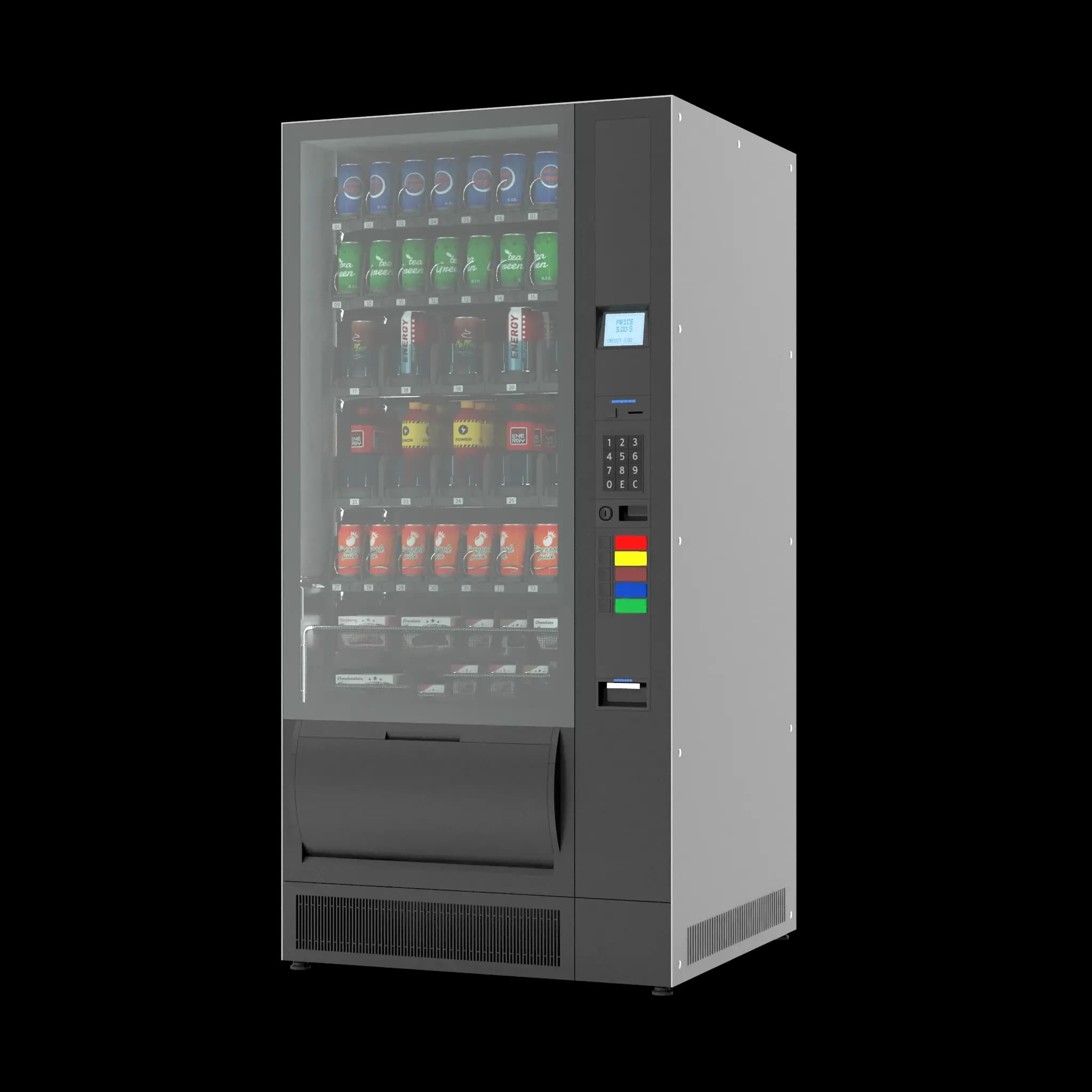
Smart vending machines provide self-service access to food, beverages, electronics, cosmetics, and essentials with real-time stock visibility and cashless payment options.
IoT vending machines deployed in airports, stations, and urban hubs remain connected for uninterrupted service, usage monitoring, and centralized fleet control.
Smart vending kiosks can securely dispense regulated supplies, equipment, or consumables with user authentication and audit visibility.
Reverse vending machines support deposit return schemes, waste segregation, and reward-based recycling by validating returns and syncing data.
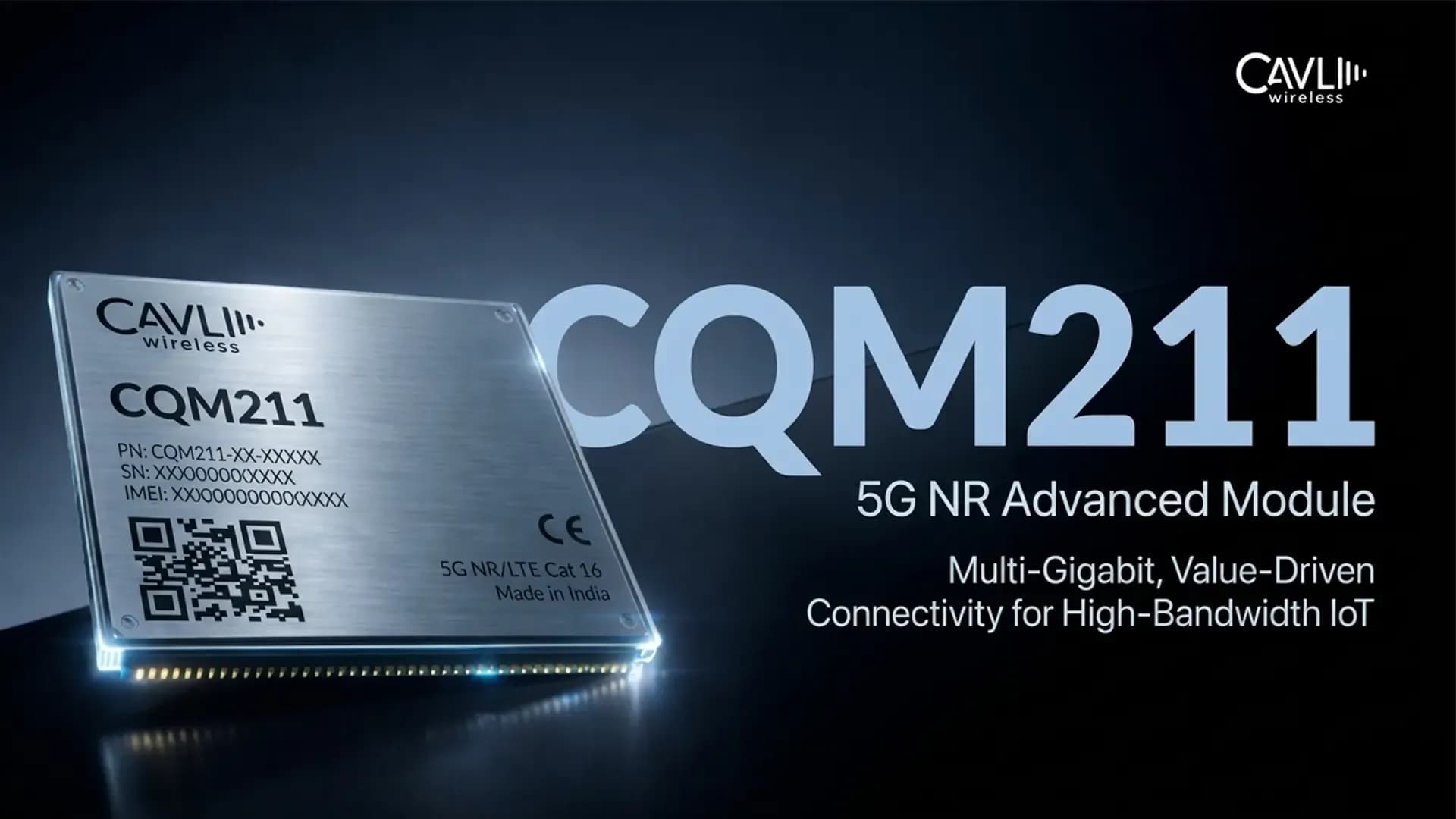
At the core of every IoT vending or reverse vending machine is a cellular IoT module. This compact, intelligent cellular IoT module ensures the smart vending machine stays connected to backend platforms, payment solutions, and service teams in real time. Cavli Cellular IoT Modules act as the communication bridge between the smart vending machine and the cloud, enabling seamless, secure, and reliable data exchange even in remote or high-mobility deployment scenarios.
Unlike conventional vending infrastructure that depends on wired internet or unstable local connectivity, cellular-enabled IoT vending machines ensure:
Continuous machine uptime for payments solutions, telemetry, alerts, and inventory management even during local network disruptions.
Machines can be installed in malls, transit stations, outdoor venues, campuses, office parks, and remote public spaces without network dependency.
With IoT data analytics, operators can monitor machine health, restocking needs, cashless transactions, and usage trends through centralized dashboards.
Plug-and-play deployment with global SIM/eSIM support reduces installation complexity across geographies.
Built-in encryption, secure authentication, and protected communication channels help safeguard payment and operational data.
Cellular connectivity allows operators to expand fleets quickly while maintaining unified visibility and control with our modem management platform, Cavli Hubble.
In essence, IoT vending machines ensure that automated retail and recycling services remain responsive, efficient, and future-ready. By embedding cellular IoT modules at the core of smart vending kiosks and reverse vending machines, businesses gain network independence, operational resilience, and scalability required for distributed smart infrastructure.
Cavli’s cellular modules enable scalable, connected smart vending machine architectures that support remote management, cashless payments, real-time inventory visibility, and predictive maintenance. The LTE Cat 1 CQ10 and LTE Cat 4 CQ20 modules provide cost-optimized connectivity for vending systems where the module acts as a secure data gateway while an external MCU manages vending logic, enabling real-time telemetry, OTA updates, and payment reporting. For more advanced deployments, the LTE Cat 4 CQS290 smart module delivers higher compute capability and Linux-based flexibility to run complex applications, analytics, and interactive interfaces. Together, these Cavli cellular IoT modules allow OEMs to build smart vending machines ranging from basic connected machines to fully intelligent retail systems.
AI smart vending machines help operators to utilize predictive maintenance and analytics to forecast consumption patterns, optimize replenishment cycles, and reduce stockouts.
Broader adoption of cashless payment options such as QR payments, NFC, and app-based interactions in smart vending machines is reshaping unattended retail.
Advanced sensors and imaging improve product recognition, theft prevention, and item validation in reverse vending machines.
Faster, lower-latency 5G IoT technology supports richer telemetry, real-time diagnostics, and faster transaction authorization.
Operators are moving toward centralized cloud platforms that integrate vending, maintenance, payment reporting, and customer engagement.
“The global intelligent vending machines market, valued at USD 25.45 billion in 2024, is expected to reach approximately USD 92.64 billion by 2034, growing at a CAGR of 13.79% from 2025 to 2034.”
— Precedence Research