
Cavli Wireless
With the rapid advancement of smart cities, industrial facilities, and smart home ecosystems, security systems are evolving into intelligent, connected surveillance solutions. A smart surveillance system uses connected devices such as intelligent security cameras, IoT sensors, edge processors, and cellular connectivity to monitor environments in real time. Unlike traditional surveillance, it can analyze video streams automatically to detect unusual activity, recognize faces, identify objects, and send instant alerts. With technologies such as AI, edge computing, cloud storage, and cellular IoT, smart surveillance systems can support predictive analytics, remote video surveillance, faster incident response, and secure data transmission. These capabilities help cities, facilities, campuses, transportation networks, and public safety teams respond proactively to security events.

What is a Smart Surveillance System?

A smart surveillance system is a connected security setup that uses cameras, IoT sensors, cellular connectivity, cloud platforms, edge computing, and AI analytics to monitor spaces in real time. Unlike traditional CCTV systems that mainly record footage for later review, smart surveillance systems can detect unusual activities, recognize objects or faces, send instant alerts, and support proactive security response. These systems are used in smart cities, public transport networks, parking systems, industrial sites, commercial facilities, building management, crowd control, and public safety operations.

Traditional CCTV vs Smart Surveillance Systems

Traditional CCTV systems are mainly passive recording tools. They capture and store footage, but security teams often need to manually monitor live feeds or review recordings after an incident. Smart surveillance systems are designed for proactive security. They combine intelligent cameras, IoT sensors, AI-driven analytics, edge computing, cloud storage, and cellular connectivity to detect events in real time and trigger automated alerts.
AreaTraditional CCTVSmart Surveillance System
MonitoringManual monitoring and post-event reviewReal-time monitoring and automated alerts
IntelligenceLimited or no analyticsAI-based object, face, motion, and behavior analysis
ResponseReactiveProactive and predictive
ConnectivityMostly wired/local systemsCellular, cloud, edge, and IoT-enabled
ScalabilityDifficult across distributed sitesEasier for smart cities, facilities, and remote locations
Use casesBasic security recordingPublic safety, smart parking, traffic monitoring, crowd control, facilities security

Key Components of a Smart Surveillance System

A smart surveillance system brings multiple technologies together to deliver real-time, intelligent security. It includes IoT-enabled camera hardware for live visual monitoring, sensor networks such as motion, proximity, environmental, acoustic, and LiDAR sensors, and AI-powered analytics for object detection, facial recognition, behavior analysis, and anomaly detection. Cloud storage and data management support scalable video access and post-event analysis, while edge computing enables low-latency local processing. Cellular IoT modules provide reliable connectivity across distributed and remote deployments, and secure data transmission with remote device management helps maintain operational continuity. Together, these components help surveillance systems move from passive recording to intelligent, connected security operations.

Smart Surveillance Systems for Smart Cities and Facilities

Smart surveillance systems play an important role in smart city and facility operations by connecting video monitoring with IoT sensors, analytics, and real-time alerts. Common use cases include smart parking space monitoring and violation detection, public transport safety and driver behavior monitoring, traffic management and accident detection, building access control and facilities security, crowd control during public gatherings and events, waste management and environmental monitoring, and public safety alerts for police, fire, and emergency response teams. For facilities and city infrastructure, smart surveillance improves visibility across distributed locations and helps teams respond faster to incidents.

Why Cellular IoT Connectivity Matters in Smart Video Surveillance

Reliable connectivity is the backbone of smart video surveillance because cameras, sensors, gateways, and cloud platforms need continuous data exchange to support real-time monitoring, alerts, remote access, and device management. Cellular IoT modules help smart surveillance systems operate in locations where wired broadband or Wi-Fi may be unavailable, unreliable, or difficult to deploy. This is especially important for smart cities, transport corridors, remote industrial sites, public infrastructure, and temporary surveillance deployments. Cellular connectivity supports real-time video and alert transmission, remote camera and device monitoring, over-the-air firmware and configuration updates, secure data transfer from cameras and sensors, scalable deployment across multiple locations, and backup connectivity for critical surveillance infrastructure.

Choosing the Right Cellular Technology for Smart Surveillance

Different smart surveillance applications require different levels of bandwidth, latency, power efficiency, and deployment flexibility.
Cellular TechnologyBest Fit for SurveillanceTypical Use Case
LTE Cat 1 / Cat 1bisBasic surveillance, low-frame-rate cameras, motion-triggered image captureProximity cameras, event-based image transmission, lightweight monitoring
LTE Cat 4Continuous HD video streaming and always-on surveillanceHD smart cameras, building security, city infrastructure monitoring
5G RedCapMid-tier smart surveillance with lower latency and better efficiencyFull HD camera systems, compact smart city deployments, connected infrastructure
5G NRHigh-bandwidth, low-latency, multi-camera surveillance4K/8K video feeds, airports, traffic control, critical infrastructure, real-time AI analytics
Cavli’s cellular IoT module portfolio supports different smart surveillance requirements, from basic connected cameras to high-bandwidth 5G video surveillance systems.

Edge AI, Secure Data, and Remote Management in Smart Surveillance

Modern smart surveillance systems need to process large amounts of video and sensor data without creating unnecessary latency or bandwidth load. Edge computing helps by processing critical data closer to the camera or device instead of sending every video stream to the cloud. Edge AI enables surveillance systems to detect events such as intrusion, object movement, crowd density, unattended baggage, or unusual behavior locally. This helps reduce response time, lower bandwidth usage, and support faster decision-making in critical environments. Security is equally important. Smart surveillance deployments should support encrypted data transmission, device authentication, access control, remote monitoring, and over-the-air updates. These capabilities help protect surveillance data, maintain device uptime, and reduce exposure to cybersecurity risks.

What to expect from this download?

Evolution from traditional CCTV to smart surveillance
Core components: cameras, sensors, AI, cloud, and connectivity
Smart city use cases across parking, traffic, safety, and facilities
Key features like real-time alerts, edge computing, and data security
Role of LTE, 5G RedCap, and 5G NR in video surveillance
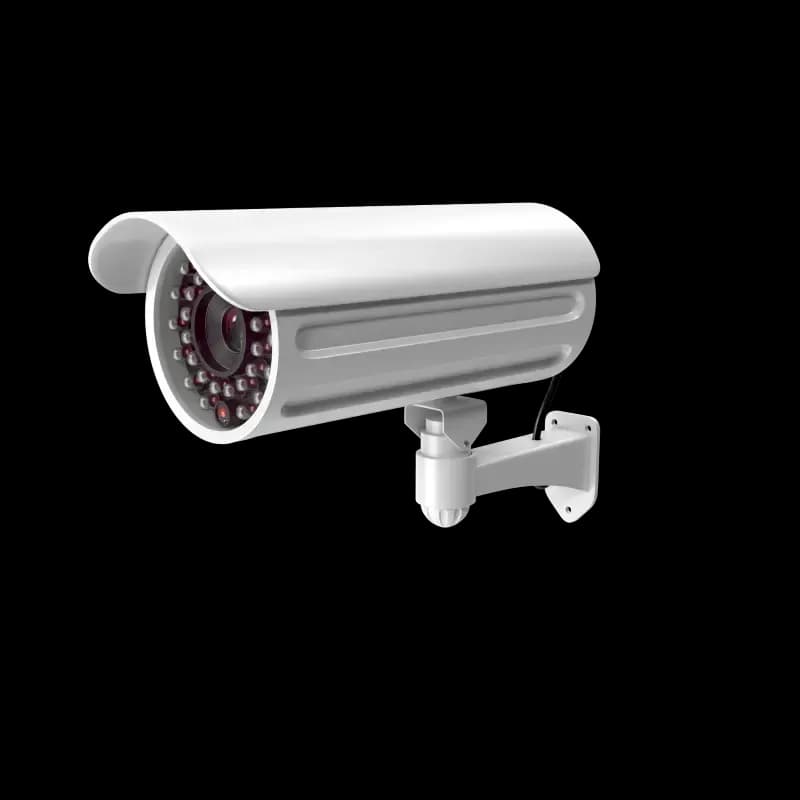
Security Camera

To access the full document

Featured Videos

Introducing CQM211 | Multi-Gigabit 5G NR for High-Bandwidth IoT Deployments

5G NR

Introducing CQM211 | Multi-Gigabit 5G NR for High-Bandwidth IoT Deployments

Cavli Unplugged: Insider Insights on the Future of IoT!

leadershipinsights

Cavli Unplugged: Insider Insights on the Future of IoT!

Advanced Battery Intelligence with Cavli CQ10

LTE Cat 1 Use Case

Advanced Battery Intelligence with Cavli CQ10 LTE Cat 1 IoT Module

View All