
 SCROLL
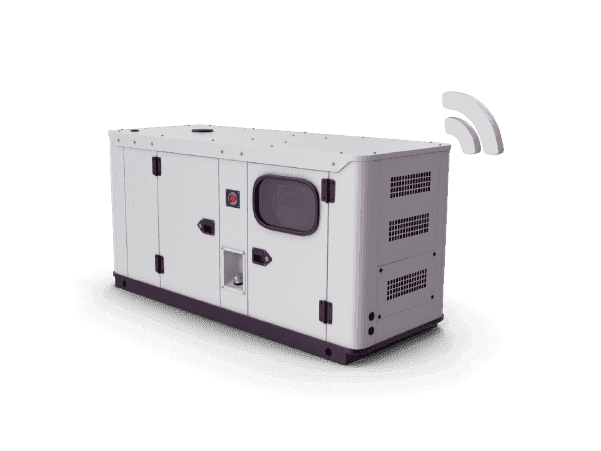
Critical equipment includes assets whose failure can lead to operational downtime, environmental incidents or major safety risks. These systems must function continuously to maintain productivity and compliance. Industrial IoT enables uninterrupted visibility into equipment health, removing the uncertainty of manual inspection cycles. Real-time telemetry helps teams detect early warning signals, prevent cascading failures and maintain stable operations across utilities, manufacturing lines and mission-critical infrastructure.
Predictive maintenance offers a measurable improvement in asset performance by using IIoT data to forecast failures before they occur. This approach can increase equipment lifespan by up to 20%, reduce maintenance expenses by 40%, and significantly cut unplanned downtime. These improvements translate to large-scale operational savings as organizations move away from reactive repairs and towards condition-driven maintenance cycles. Continuous monitoring allows engineering teams to intervene at the right moment, extend asset life and eliminate unnecessary service visits.
When critical equipment moves across worksites or regions, gaps in visibility can lead to lost assets, operational delays and increased risk exposure. IIoT-based tracking gives teams real-time updates on asset location, movement patterns and operational status. This reduces the need for manual oversight and helps prevent misplacement or theft. With live data available at all times, organizations maintain tighter control over their asset fleets, streamline coordination and eliminate project delays caused by missing or unaccounted-for equipment.
Cellular IoT strengthens equipment monitoring by offering reliable long-range connectivity, low power consumption and centralized device management. Telecom-grade networks ensure that sensor data reaches monitoring systems even in remote or harsh locations. Capabilities such as firmware over-the-air updates (FOTA) make large deployments easier to manage, allowing teams to push configuration changes and security fixes without physical visits. This results in consistent device performance and real-time visibility into thousands of distributed assets.
Critical equipment monitoring supports industries where operational continuity is non-negotiable. Utilities rely on IIoT to detect overloads or component failures before service disruptions occur. Manufacturers use continuous monitoring to avoid production stoppages and reduce equipment-related waste. Healthcare facilities protect high-value medical devices with early fault detection and automated alerts. Retail, cold-chain logistics and warehousing use monitoring systems to preserve asset integrity and maintain safety standards. Unified IoT modules and connectivity platforms provide the scalability needed to monitor equipment reliably across regional or global footprints.