The Cellular Engine Behind Battery Passport Era: The Executive BMS Industry Guide
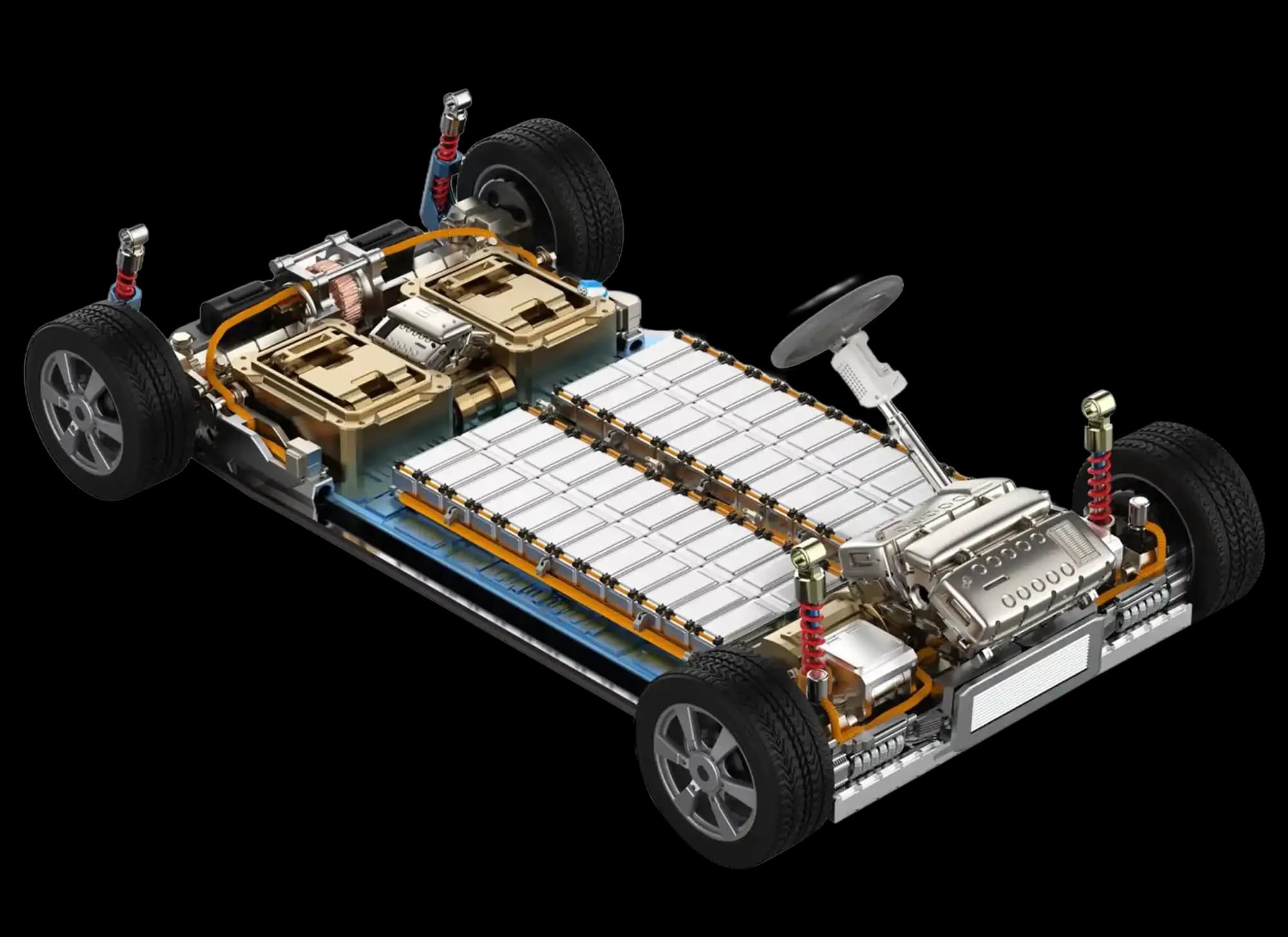
A Battery Management System (BMS) is the intelligence layer that monitors, controls, and protects a battery pack. It ensures safe charging and discharging while maintaining the overall health of lithium-ion cells.
Traditional BMS units were isolated electronics that operated only within the battery pack. Today, they have evolved into cloud-connected, software-defined systems that support remote diagnostics, predictive analytics, and life-cycle management. Cellular-enabled Battery Management Systems track parameters such as SOC, SOH, temperature, current, voltage, cell balance, and charging patterns, making them indispensable in EVs, energy storage, micro-mobility, industrial backup power, telecom towers, and smart grid systems.
The Battery Management System serves as the digital control hub across many domains, helping optimize EV performance, extend battery life, manage thermal stability, and forecast maintenance. It supports energy storage operations by monitoring grid-connected assets, balancing loads, and preventing thermal runaway.
It also streamlines fleet-wide battery diagnostics and monitoring with state-of-charge visibility and remote troubleshooting. It enables industrial and renewable deployments with always-on health monitoring.
By making energy systems safer, more efficient, and more predictable, BMS solutions are accelerating the transition toward electrification, especially in regions where energy reliability and infrastructure challenges demand better battery intelligence. Cellular connectivity plays a defining role in enabling this transformation.
Why Cellular Modules Matter in Battery Management Systems
At the heart of every connected Battery Management System (BMS) lies a cellular IoT module — a compact, intelligent communication engine that enables real-time telemetry, diagnostics, and control.
Cavli Cellular Modules act as the bridge between the BMS controller and the cloud, ensuring uninterrupted connectivity even in remote, mobile, or infrastructure-poor environments.
Battery Management System (BMS)
Unlike traditional offline or Bluetooth-only Battery Management Systems, cellular module integration enables:
Always-on monitoring: Real-time tracking of temperature rise, voltage drift, cycle counts, and cell imbalance events with instant alerts.
Remote diagnostics: Enables OEMs to analyze battery pack behavior, run cell-balancing logs, and detect early-stage failures and degradation trends.
Centralized visibility: Fleet-wide battery diagnostics and monitoring across ESS racks, EVs, and 2W/3W fleets with live and historical insights.
OTA firmware updates: Charging logic, safety thresholds, charging curves, and balancing algorithms can be updated remotely without manual intervention.
Data security: Encrypted tunnels, private APNs, and secure credentials protect critical battery data end to end.
Importance Across Energy & Mobility Domains
In essence, cellular-enabled Battery Management Systems ensure that battery-powered operations never stall—supporting safer, longer-lasting, and more efficient energy systems.
By embedding cellular modules at the core of modern BMS architectures, manufacturers gain remote visibility, predictive maintenance capabilities, and lifecycle intelligence essential for large-scale electrification.
How does a Battery Management System work
The working of a cellular-enabled Battery Management System follows a structured data flow that ensures real-time visibility, control, and lifecycle intelligence.
Data Capture: The BMS measures cell voltages, temperatures, currents, SOC, SOH, and fault signatures.
On-Board Processing: The BMS controller encodes and encrypts diagnostic logs, fault events, and operational data.
Network Uplink via Cellular Module: The cellular-enabled Battery Management Systems connect to the nearest mobile tower (Cat 1bis, LTE Cat 4, or 5G) and transmit encrypted data to cloud servers.
Cloud Analytics & Response: The platform evaluates battery conditions, triggers alerts, updates algorithms, and recommends actions in real time with fleet-wide battery diagnostics and monitoring.
Real-time Notification: Manufacturers, fleet operators, or ESS integrators receive instant visibility on battery health and faults.
Backend Sync: Lifecycle metrics, charge cycles, degradation patterns, and usage logs sync with OEM BMS dashboards for compliance, warranty evaluation, and performance optimization.
Battery Management Systems have expanded far beyond electric cars, becoming the intelligence layer that powers a wide spectrum of energy-driven applications across various industries. As global electrification accelerates, several new sectors are incorporating BMS solutions, driving the demand for smarter, connected, and cloud-orchestrated energy blocks.
Electric Two-Wheelers, Three-Wheelers & Micro-Mobility: Automotive-grade battery management system enables reliable SOC/SOH tracking, thermal safety, and charge pattern analysis for scooters, delivery bikes, and shared mobility fleets.
Energy Storage Systems (ESS): Grid-scale, commercial, and residential storage solutions rely on intelligent battery management systems for cell balancing, degradation insights, thermal risk mitigation, and remote uptime assurance.
Telecom & Critical Infrastructure Backup: Tower batteries, UPS systems, and backup power units use BMS for real-time visibility, reducing downtime and preventing thermal incidents.
Industrial & Warehouse Equipment: Forklifts, AGVs, pallet movers, and industrial robots depend on BMS for cycle counting, load-based discharge control, and predictive maintenance.
Renewable Energy & Hybrid Power Systems: Solar, wind, and hybrid microgrids integrate intelligent battery Management Systems to manage battery banks, optimize charge cycles, and ensure safe off-grid performance.
Marine, Aviation & Defense Applications: Specialized high-density battery packs in drones, unmanned systems, naval equipment, and portable defense gear require rugged BMS with safety-first logic.
Home & Portable Energy Devices: Power banks, portable generators, home backup systems, and high-capacity inverter batteries utilize intelligent battery management systems to ensure longevity and safe consumer operation.
Smart Cities & IoT-Enabled Infrastructure: Smart lighting, public kiosks, mobility hubs, and distributed edge nodes rely on connected BMS to ensure operational continuity.
Top Emerging Trends in BMS for 2026
The next generation of Battery Management System technology is rapidly evolving, shaped by new engineering, regulatory, and connectivity demands:
Edge Computing in BMS: On-device analytics reduce latency and enable faster response to thermal events.
5G-Enabled Energy Systems: High-speed connectivity powers near-instant event reporting and real-time control loops.
Sustainable Battery Designs: Recyclable components and second-life battery analytics for circular-economy compliance.
Together, these trends are paving the way for connected, intelligent energy systems where cellular IoT becomes the foundation for safe and scalable battery innovation.
The Growing Market Momentum of BMS in the Energy & Mobility Landscape
The global push toward electrification and renewable energy is driving a significant shift toward connected BMS architectures. MarketsandMarkets reports “ The global Battery Management System Market, estimated to be worth $9.1 billion in 2024, is poised to reach $22.0 billion by 2029, growing at a CAGR of 19.3%.”
The Battery Management System market is driven by rapid EV adoption, grid-scale ESS installations, and increased regulatory focus on safety and thermal risk mitigation. Meanwhile, industry analysts report that more than 40% of new EV and ESS BMS deployments in 2024 included cellular connectivity as standard. This momentum highlights a global transition where cellular IoT enables real-time battery intelligence, safer deployments, and better lifecycle value across mobility and energy sectors.
What to expect from this download?
Evolution of battery management systems
Understanding the functions and critical parameters of BMS
Role of cellular connectivity in battery management systems
IoT protocols and standards used in connected BMS
Designing intelligent battery management systems with Cavli cellular modules
To access the full document
Featured Videos
Unboxing Video LTE Cat 1bis
Inside the Cavli C16QS LTE Cat 1bis EVK with Cavli Hubble Demo| A Complete IoT D [...]
Use case 5G NR
Cavli CQM220: Build Smarter Asset Tracking Solutions with 5G RedCap
5G NR
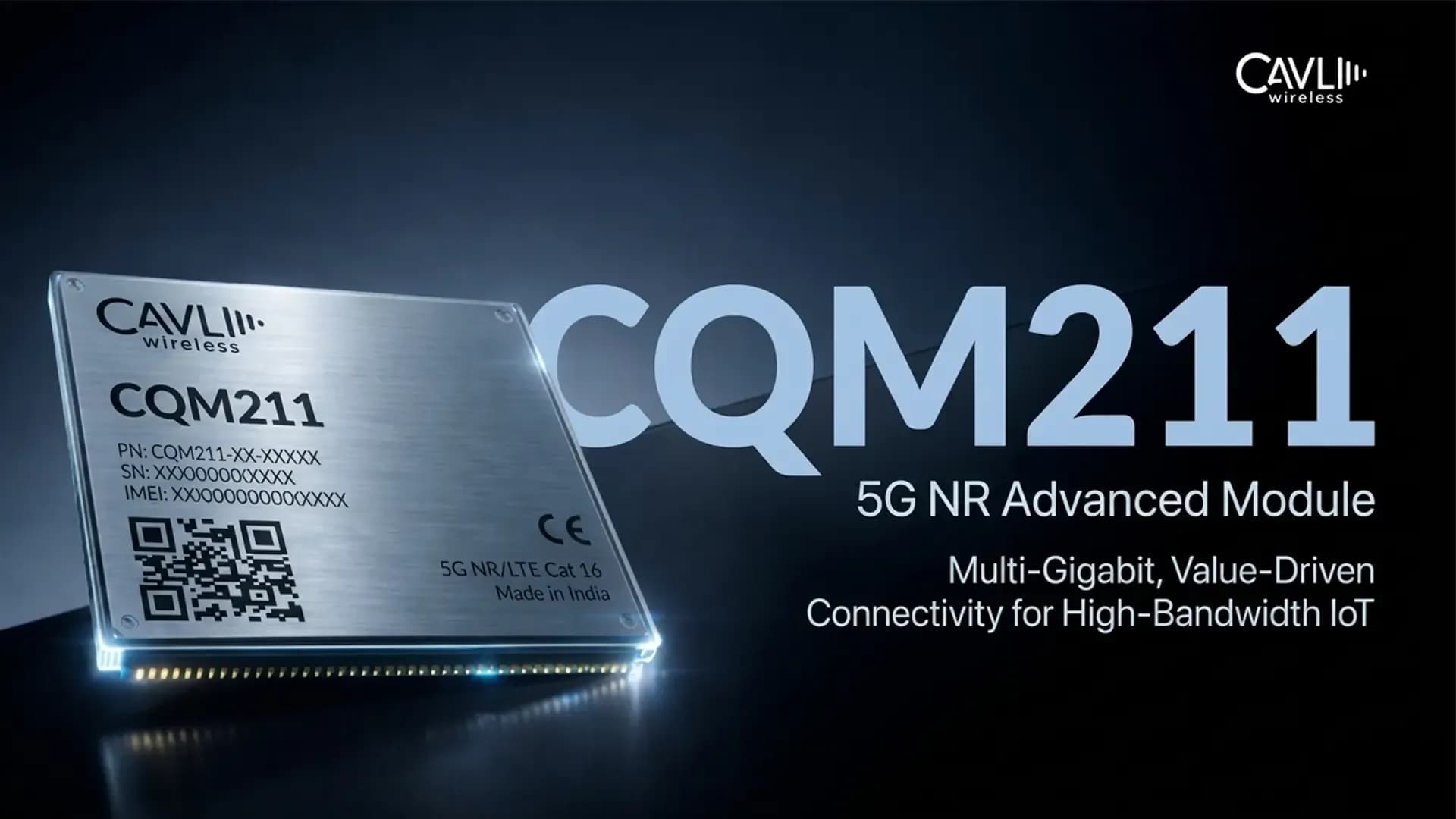
Introducing CQM211 | Multi-Gigabit 5G NR for High-Bandwidth IoT Deployments


 SCROLL